
Essential Tools for Every Homeowner and DIYer
Owning a home comes with a unique set of responsibilities and challenges. Whether you are a seasoned DIYer or a new homeowner, having the right tools can make all the difference in tackling projects efficiently and effectively. This guide will explore the essential tools that every homeowner and DIY enthusiast should have in their arsenal. From basic hand tools to power tools, we will cover everything you need to know to get started on your next project.
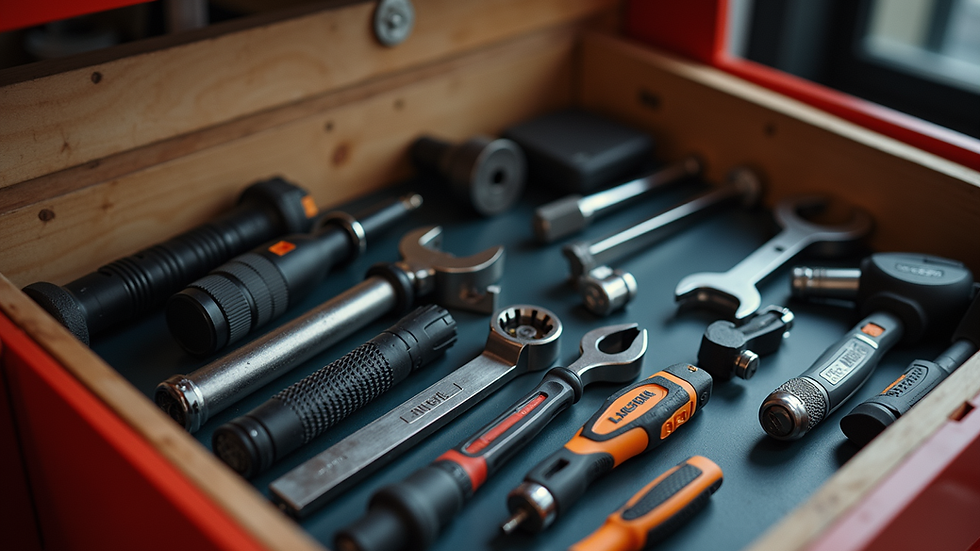
Basic Hand Tools
Hammers
A hammer is one of the most fundamental tools in any toolkit. It is used for driving nails, breaking things apart, and even for minor demolition tasks. When choosing a hammer, consider the following types:
Claw Hammer: Ideal for driving and removing nails.
Sledgehammer: Best for heavy-duty tasks like breaking concrete.
Rubber Mallet: Useful for tasks that require a softer touch, such as assembling furniture.
Screwdrivers
Screwdrivers are essential for assembling furniture, fixing appliances, and performing general repairs. A good set of screwdrivers should include:
Flathead Screwdrivers: For slotted screws.
Phillips Screwdrivers: For crosshead screws.
Torx Screwdrivers: For specialized screws found in electronics and appliances.
Pliers
Pliers are versatile tools that can grip, twist, and cut. A basic set of pliers should include:
Needle-Nose Pliers: Great for reaching into tight spaces.
Slip-Joint Pliers: Useful for gripping larger objects.
Wire Cutters: Essential for cutting wires and cables.
Tape Measure
A tape measure is crucial for ensuring accurate measurements in any project. Look for one that is at least 25 feet long, with clear markings for both inches and centimeters. A magnetic tip can also be helpful for measuring metal surfaces.
Level
A level is essential for ensuring that your projects are straight and even. Whether you are hanging shelves or installing cabinets, a level will help you achieve professional-looking results.
Power Tools
Cordless Drill
A cordless drill is a must-have for any DIYer. It allows you to drill holes and drive screws with ease. Look for a drill with adjustable speed settings and a variety of drill bits for different materials.
Circular Saw
A circular saw is perfect for making straight cuts in wood, plywood, and other materials. It is a powerful tool that can save you time and effort on larger projects. Make sure to use safety goggles and ear protection when operating this tool.
Jigsaw
A jigsaw is ideal for making curved cuts and intricate designs. It is versatile and can be used on various materials, including wood, metal, and plastic. Look for a model with adjustable speed settings for better control.
Orbital Sander
An orbital sander is essential for smoothing surfaces and preparing them for painting or finishing. It is easy to use and can significantly reduce the time spent on sanding by hand.
Shop Vacuum
A shop vacuum is invaluable for keeping your workspace clean. It can handle sawdust, debris, and even liquids, making it a versatile addition to your toolkit.
Safety Gear
Safety Glasses
Protecting your eyes should always be a priority when working with tools. Safety glasses can prevent injuries from flying debris and dust.
Ear Protection
Power tools can be loud, and prolonged exposure can lead to hearing damage. Invest in a good pair of earplugs or earmuffs to protect your hearing.
Dust Mask
When sanding or working with materials that create dust, a dust mask is essential. It will help you breathe easier and protect your lungs from harmful particles.
Work Gloves
A good pair of work gloves can protect your hands from cuts, scrapes, and blisters. Look for gloves that provide a good grip and are comfortable to wear for extended periods.
Storage Solutions
Tool Chest
A well-organized tool chest is essential for keeping your tools in good condition and easily accessible. Look for one with multiple drawers and compartments to store various tools and accessories.
Tool Belt
A tool belt can help you keep your most-used tools within reach while you work. Look for one that is adjustable and has enough pockets to hold your essential tools.
Pegboard
Installing a pegboard in your garage or workspace can help you organize your tools visually. You can hang tools on hooks and easily see what you have, making it easier to find what you need.
Maintenance and Care
Cleaning Your Tools
Regular maintenance is crucial for keeping your tools in good working condition. Here are some tips for cleaning and caring for your tools:
Wipe Down Tools: After each use, wipe down your tools to remove dirt and debris.
Oil Moving Parts: Apply a few drops of oil to moving parts to prevent rust and ensure smooth operation.
Store Properly: Keep your tools in a dry place to prevent rust and damage.
Sharpening Blades
Keeping your blades sharp is essential for safety and efficiency. Use a sharpening stone or file to maintain the edges of your saw blades, chisels, and other cutting tools.
Conclusion
Having the right tools can make all the difference in your home improvement projects. By investing in essential hand tools, power tools, and safety gear, you can tackle any project with confidence. Remember to maintain your tools and keep them organized for easy access. With the right equipment and a bit of practice, you will be well on your way to becoming a skilled DIYer. So gather your tools, roll up your sleeves, and start creating!


Comments